
Designed to educate homeowners, the RadonRX Journal helps provide information on radon risks, testing, and treatment options in a clear, approachable way. We break down complex topics like exposure, mitigation systems, and regional risk so you can protect your home with the right prescription.

No. In fact, newer homes can sometimes have higher radon levels because modern construction is more airtight. Radon comes from the soil beneath your home — not from the age of the house.
Yes. A mitigation system is often seen as a proactive improvement and can simplify future real estate transactions by eliminating radon concerns during inspections.
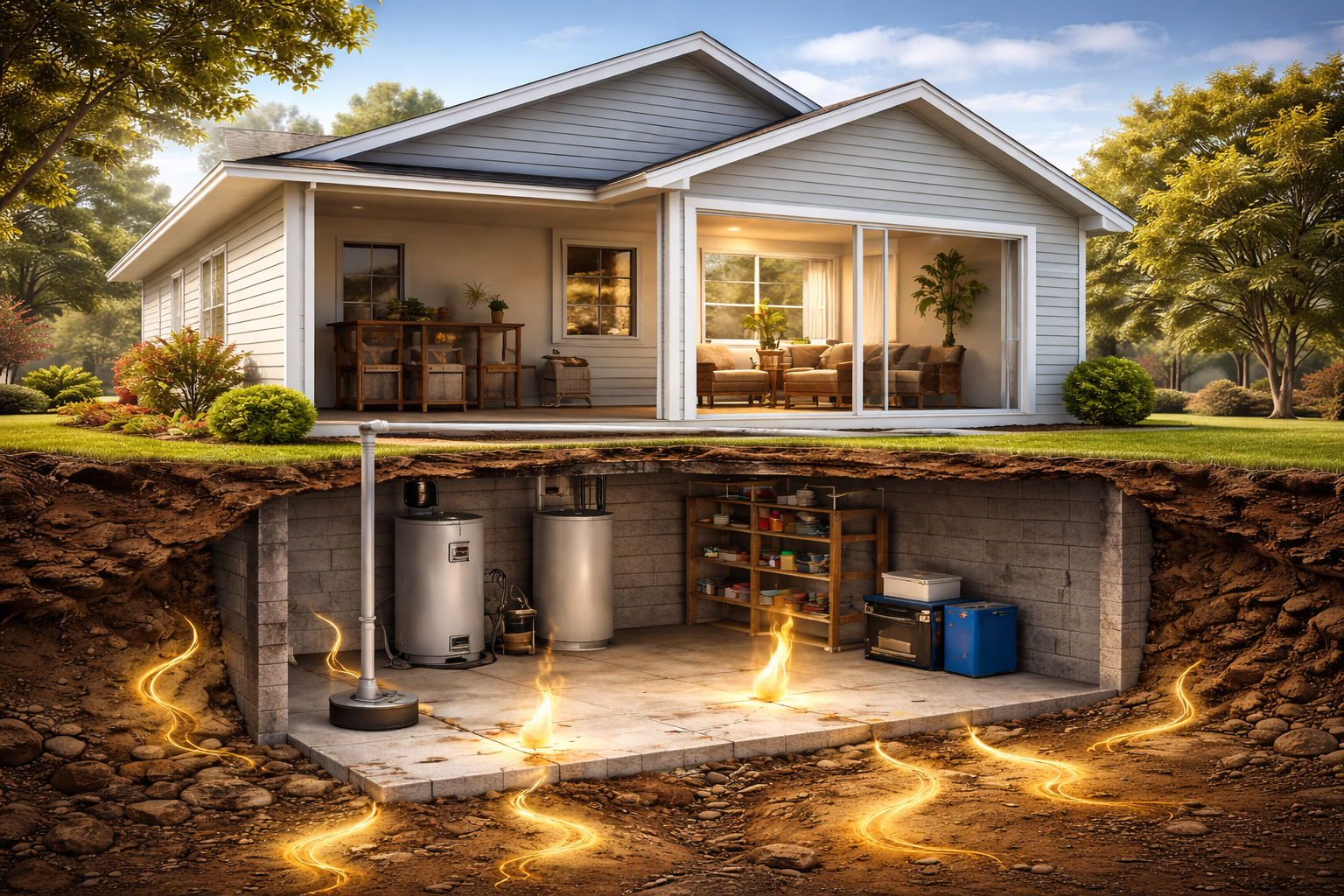
Radon is invisible and odorless — there’s no way to detect it without testing. Even homes next door to each other can have completely different radon levels. The only way to know is to test.
Most professional tests run for 48 hours to ensure accurate results. After testing, we review the findings with you and explain exactly what they mean for your home.
Most mitigation systems are installed in a single day. You can remain in your home during installation.
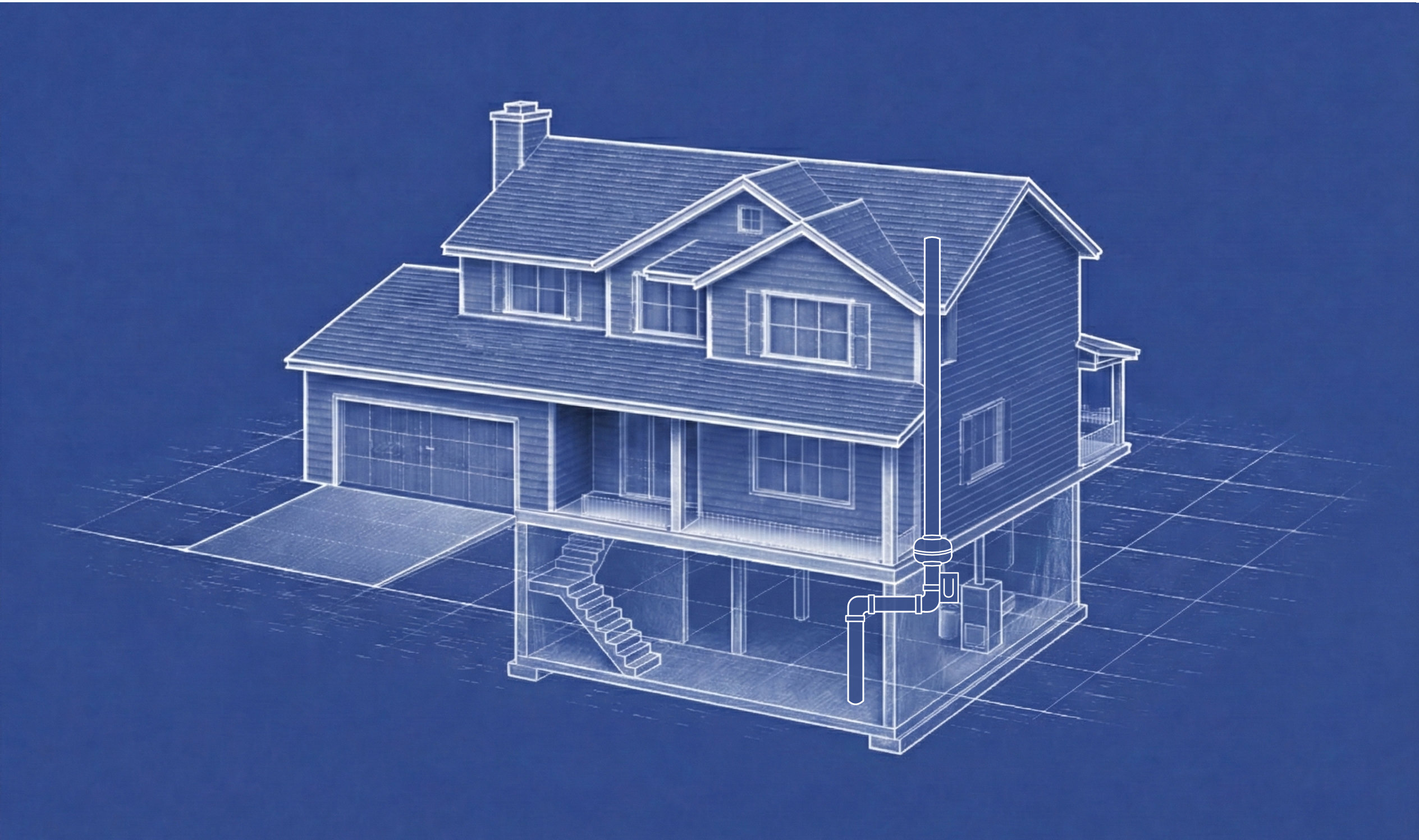
No. Modern mitigation systems are quiet and discreet. The vent stack is typically placed along the exterior of the home, and the fan operates with minimal noise.
Radon is the second leading cause of lung cancer in the United States and the #1 cause among non-smokers. Long-term exposure increases risk — which is why early detection matters.
Costs vary depending on your home’s layout and foundation type. After testing and evaluation, we provide transparent pricing before any work begins.
If radon levels exceed EPA recommendations (4.0 pCi/L), we design a mitigation system tailored to your home’s structure. Most systems reduce radon levels by up to 99%.